

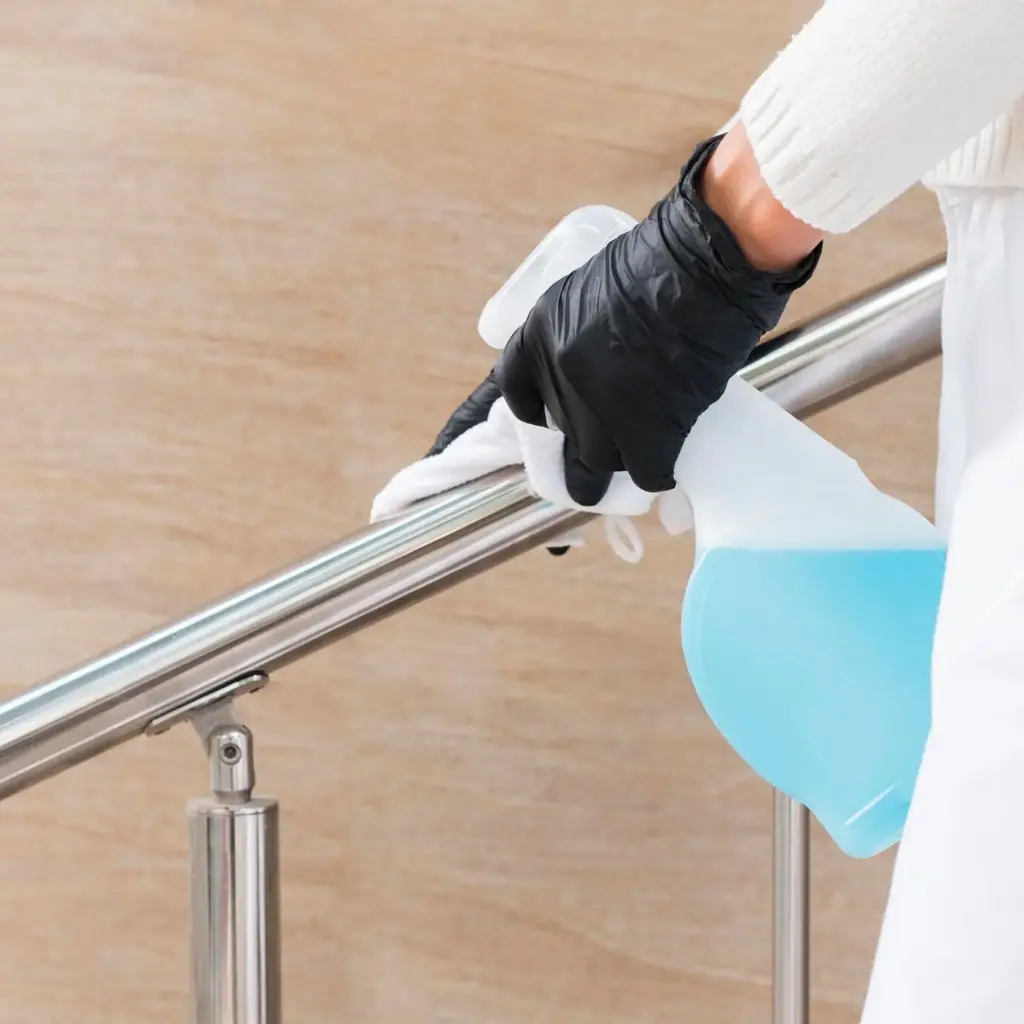

Keep Luxury Surfaces Gleaming, Day After Day

Welcome to a practical, polished guide that blends designer foresight with housekeeping reality. Today we explore Housekeeping-Proof Design: Maintenance Routines and Cleaning Products for Premium Surfaces, showing how small, smart habits and precise product choices protect marble, hardwood, stainless, and lacquered finishes. Expect evidence-backed routines, gentle chemistries, and design tweaks that save hours. Ask questions, bookmark this playbook, and share your wins so others can keep cherished materials beautiful without stress.

Materials That Demand Respect

Premium materials respond uniquely to moisture, heat, abrasion, and chemistry, so copying a one-size-fits-all approach invites damage. Understanding porosity, mineral composition, finish type, and sealants turns cleaning into preservation. Here we translate science into gentle, repeatable care that keeps stone luminous, wood balanced, and metals characterful without sacrificing daily practicality or speed.

Living Stone: Marble, Limestone, and Onyx

Calcium carbonate stones delight with veining yet react instantly to acids, including lemon, wine, and vinegar. Use pH-neutral stone cleaner, soft microfiber, and blot spills rather than wiping. Seal regularly, avoid abrasive powders, and treat etches with a professional poultice or honing kit. Share your marble victories and missteps so others can learn smarter, safer habits.

Engineered Quartz and Solid Surface Confidence

Engineered quartz resists stains yet dislikes harsh alkaline degreasers and strong solvents. Daily care thrives on mild surfactants, warm water, and non-scratch pads, with occasional isopropyl alcohol for sticky residues. Avoid high heat, permanent markers, and oily polishes. Solid surface counters benefit from gentle, uniform motions that preserve a consistent sheen and minimize visible wear patterns over time.

Daily, Weekly, Seasonal Routines That Work

Cadenced maintenance prevents panic cleans and irreversible wear. A short daily ritual catches crumbs, moisture, and fingerprints before they set. Weekly resets chase dust from forgotten ledges and refresh protective layers. Seasonal care renews sealants, inspects caulk lines, and rebalances humidity, keeping wood stable and stone resilient. Consistency is kinder than intensity, saving time and money.

Daily Five-Minute Flow

Start top to bottom: quick dust, crumb capture, then damp wipe with a neutral cleaner matched to the surface. Dry thoroughly to prevent water spots, especially on marble and stainless. Keep microfiber within reach, color-coded for zones. Celebrate small wins in a shared log or group chat to reinforce momentum and help households divide tasks without friction.

Weekly Reset With Precision

Vacuum edges with a soft brush, detail handles, and polish fixtures after removing scale. Mop sealed stone or engineered floors using a wrung-out pad and neutral solution, never soaking. Condition wood as recommended, and rotate coasters or felt pads. Review high-traffic pathways for micro-scratches and adjust mats. Share before and after photos to motivate your community.

Stone-Safe Chemistry You Can Trust

Look for neutral pH stone cleaners with non-ionic surfactants and no citrus acids. Avoid vinegar and bleach entirely. Microfiber at 300 GSM or higher lifts soils without scratching honed surfaces. For showers, choose a non-acidic daily spray to slow soap scum. If scale appears, test a buffered formula on granite, never marble. Document outcomes to refine your favorites.

Wood Care Without Swirls or Grease

For sealed wood, a light, well-wrung pad with a gentle cleaner prevents swelling and streaks. Skip oily polishes that attract dust and show swirls under sunlight. For oiled finishes, use manufacturer-approved soap and periodic re-oiling. Always dry immediately. Attach felt pads, add entry mats, and vacuum grit promptly to protect finishes. Share brand experiences to help others choose wisely.

Design Choices That Clean Themselves

Thoughtful details reduce labor dramatically. Large-format slabs mean fewer grout lines. Eased edges chip less and wipe faster. Integrated drains, sloped stone, and curbless transitions whisk water away. Choose stain-resistant textiles, matte fixtures that hide prints, and flush toe kicks that banish crumb traps. Build beauty that cooperates with daily life and never fights your cloth.

Avoid These Costly Mistakes

Common shortcuts often backfire. Acid on marble, steam on lacquer, and abrasive powders on glossy stone leave scars that are expensive to reverse. Over-wetting wood causes cupping, while mixing bleach and ammonia releases dangerous gas. Learn safer substitutes, proper dwell times, and drying techniques that protect finishes, lungs, and budgets without sacrificing real-world cleanliness or speed.

The Acid Trap: Vinegar Isn’t Universal

Vinegar dissolves mineral scale but also etches marble, limestone, and concrete sealers instantly. Train everyone to keep acids far from carbonate stones and use neutral or buffered alternatives. For granite, test cautiously. Label spray bottles clearly, store separately, and keep a quick-reference chart inside the cabinet. Share cautionary tales to reinforce safer, smarter decisions throughout your household or team.

Abrasives and Melamine Pads: Use With Caution

Melamine foam acts like very fine sandpaper, dulling high-gloss lacquer, polished stone, and some metals. Abrasive creams scratch quickly. Prefer microfiber, soft brushes, and chemistry that does the work. If you must abrade, test in an inconspicuous spot and finish consistently across the surface. Show your controlled tests and results so others avoid irreversible mistakes caused by impatience.

Chemical Safety, Dwell Times, and Residue

Let cleaners dwell so surfactants lift soils, then rinse or wipe thoroughly to prevent film. Never mix bleach with acids or ammonia. Ventilate bathrooms and wear gloves for concentrates. Switch cloths frequently to avoid redepositing grime. Keep Safety Data Sheets accessible and choose certified, lower-VOC products when possible. Invite questions and we will help troubleshoot tricky product interactions together.

Troubleshooting Stains, Etches, and Micro-Scratches

Even careful routines meet surprises. The fastest fix is accurate diagnosis. Identify the material, finish, and likely contaminant, then match a targeted remedy. Work small, document steps, and stop at the first sign of improvement. Where restoration is needed, we outline safe escalation paths and when to call a pro to protect warranties and finishes.

Stone Etches, Oil Spots, and Rust Specks

Distinguish etches, which look dull and smooth, from stains that darken and feel intact. For oil, use a solvent-based poultice; for rust, a stone-safe reducer. Etches sometimes require polishing powders or professional honing. Protect afterwards with an appropriate sealer and coasters. Share before and after photos and exact products used so others can repeat your success responsibly.

Stainless and Glass: Prints, Water Spots, and Scale

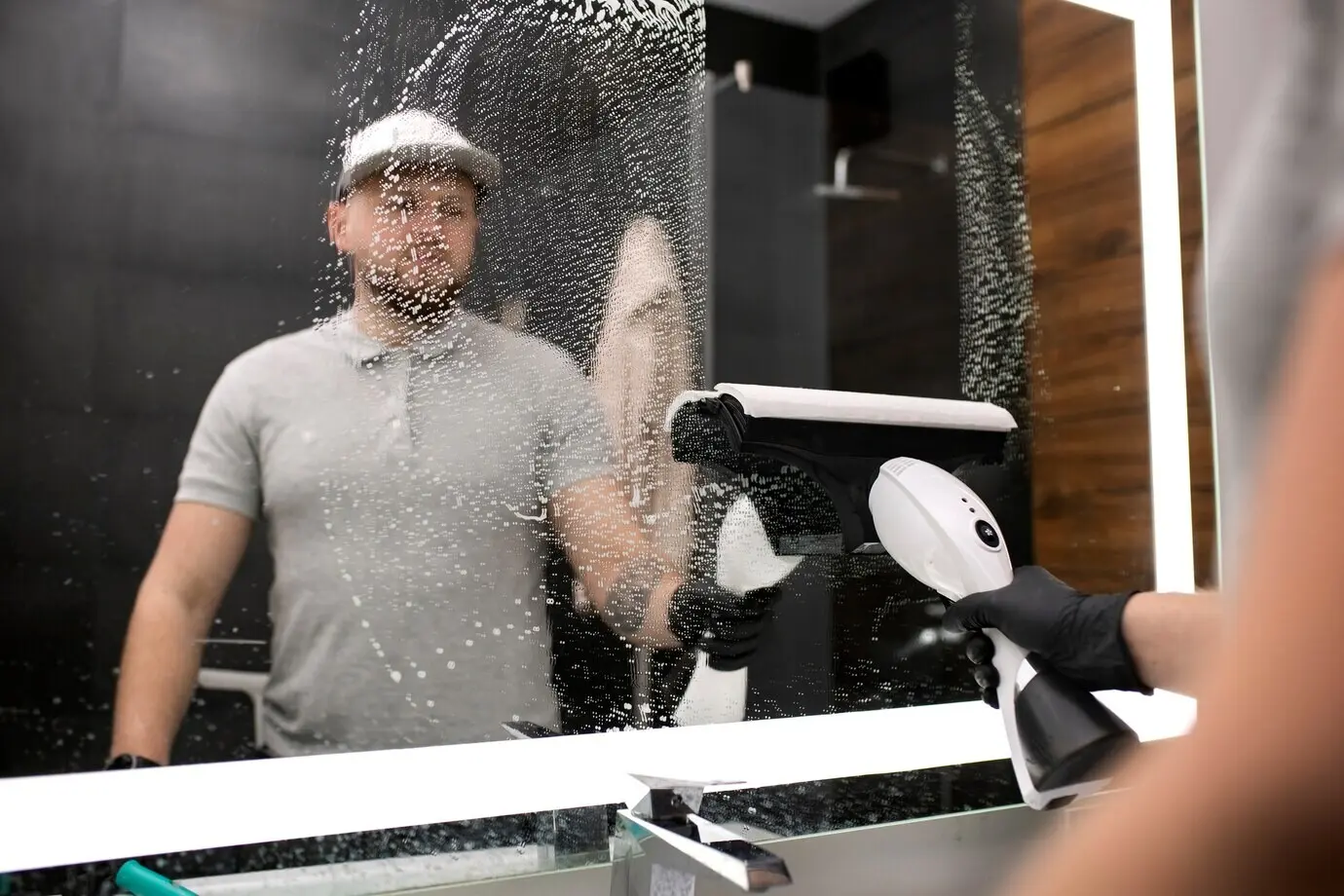
Fingerprints surrender to alcohol-based cleaners, followed by buffing with the grain. Water spots need a mild, non-chlorinated descaler, then a thorough rinse and dry. For glass near stone, avoid ammonia overspray. Squeegees after showers prevent buildup dramatically. If filming persists, reduce product quantity and switch cloths mid-clean. Post your routines so readers can compare streak-free strategies confidently.
Wood: Rings, Heat Marks, and Sun Fade

White rings usually indicate moisture in the finish and may lift with gentle heat from a covered iron and patient passes. Heat marks sometimes respond to specialized polish. For oiled tops, light sanding and re-oiling restore luster. Prevent future issues with coasters, trivets, and UV shades. Tell us what worked, including grit, oil, and timing, to refine community knowledge.

Ropaxupurotepezupumuni
Privacy Overview

This website uses cookies so that we can provide you with the best user experience possible. Cookie information is stored in your browser and performs functions such as recognising you when you return to our website and helping our team to understand which sections of the website you find most interesting and useful.