

Stone Etches, Oil Spots, and Rust Specks
Distinguish etches, which look dull and smooth, from stains that darken and feel intact. For oil, use a solvent-based poultice; for rust, a stone-safe reducer. Etches sometimes require polishing powders or professional honing. Protect afterwards with an appropriate sealer and coasters. Share before and after photos and exact products used so others can repeat your success responsibly.

Stainless and Glass: Prints, Water Spots, and Scale
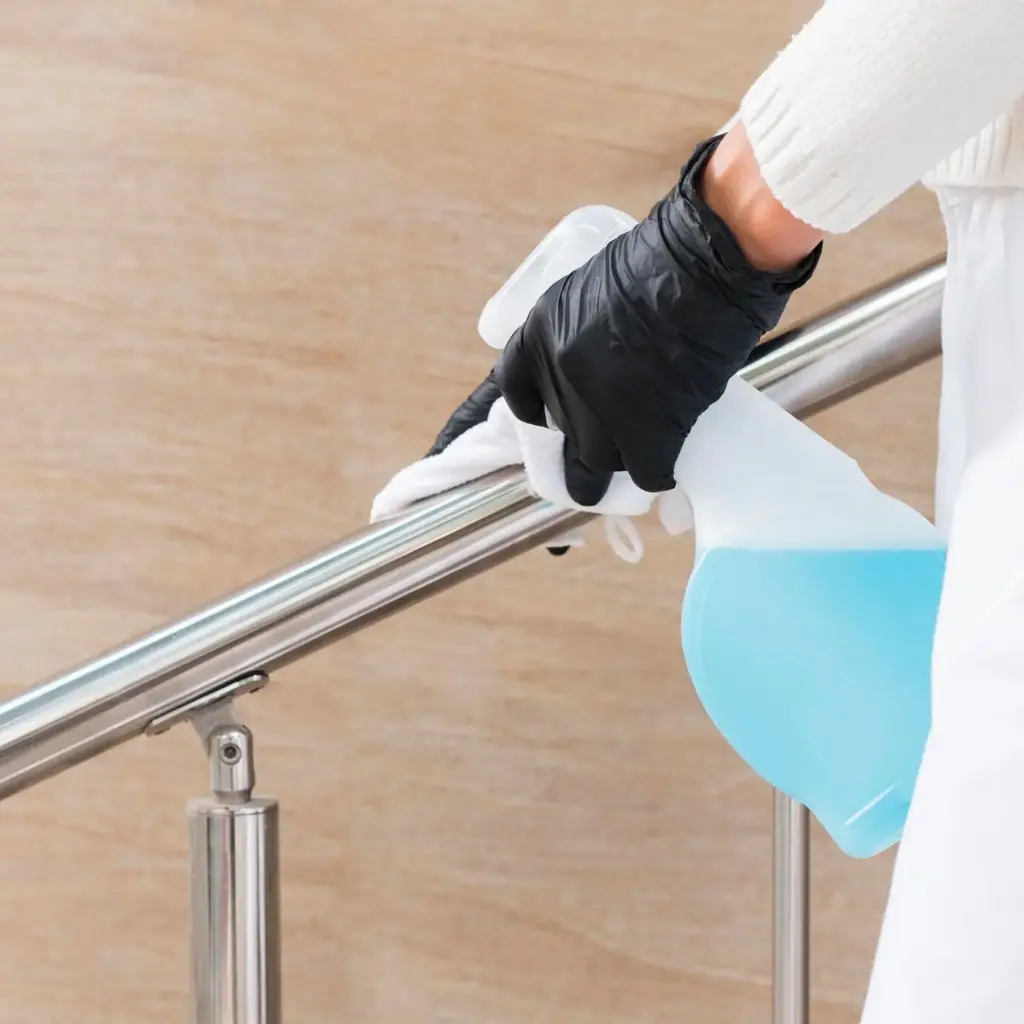
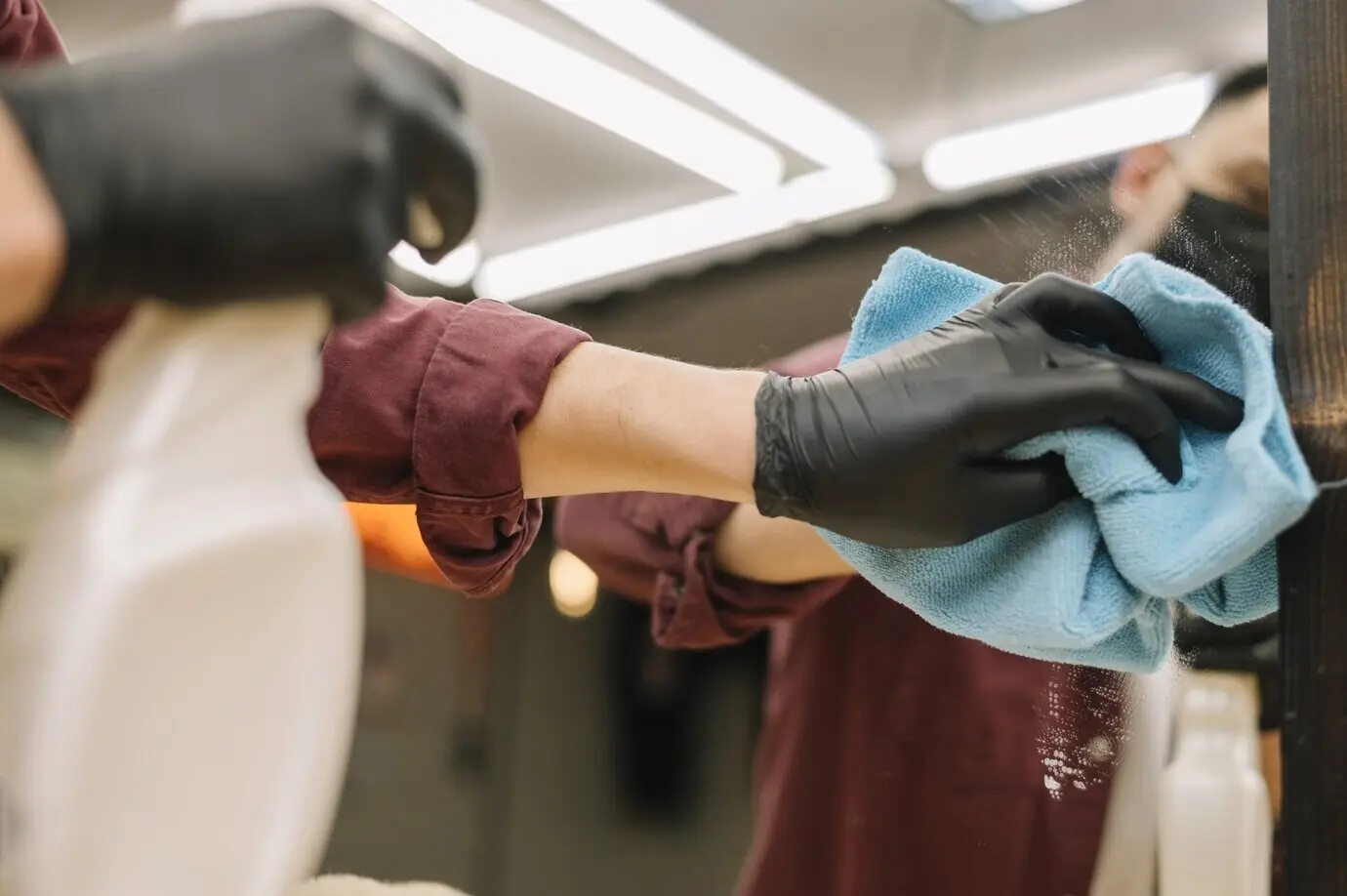
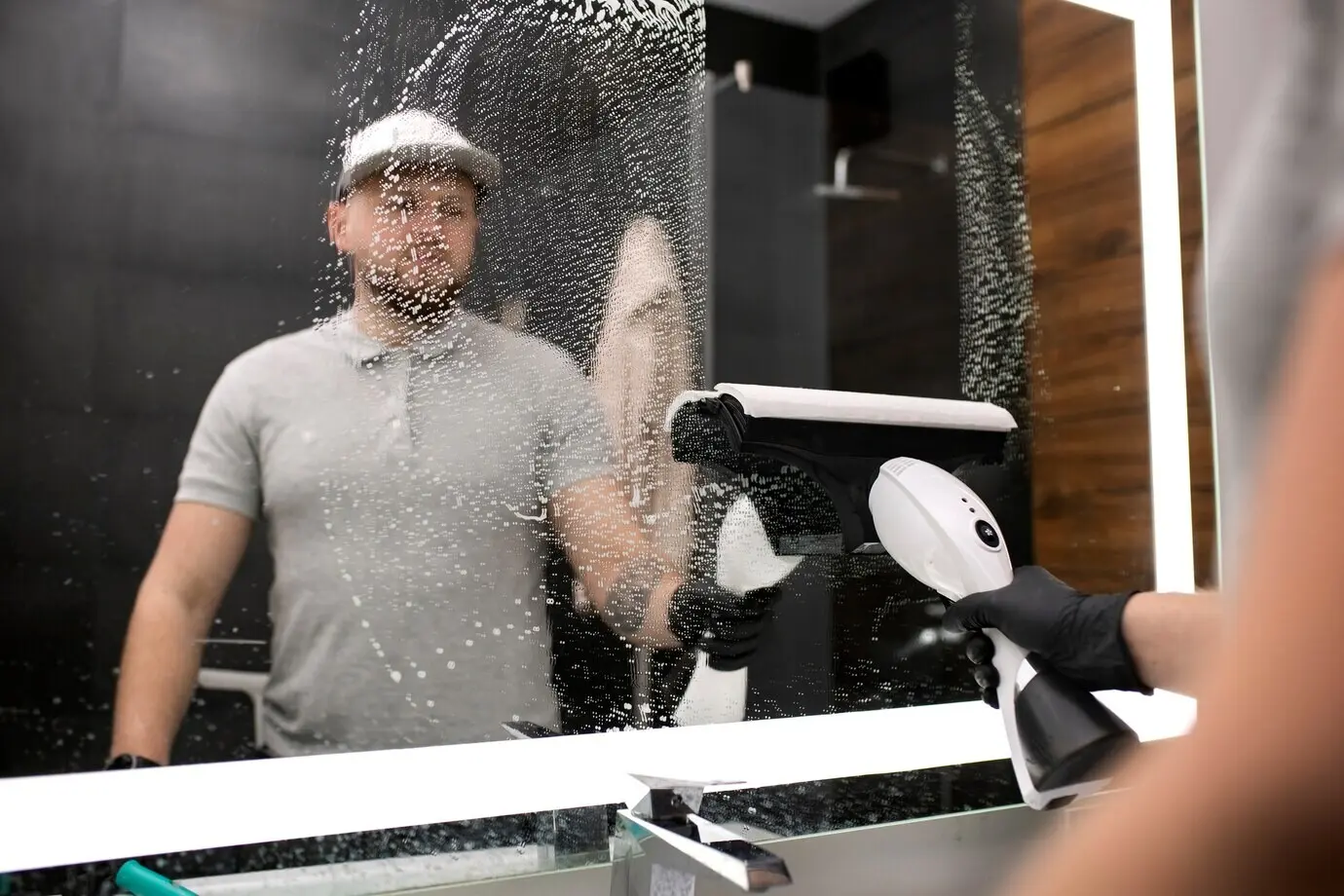
Fingerprints surrender to alcohol-based cleaners, followed by buffing with the grain. Water spots need a mild, non-chlorinated descaler, then a thorough rinse and dry. For glass near stone, avoid ammonia overspray. Squeegees after showers prevent buildup dramatically. If filming persists, reduce product quantity and switch cloths mid-clean. Post your routines so readers can compare streak-free strategies confidently.
Wood: Rings, Heat Marks, and Sun Fade
White rings usually indicate moisture in the finish and may lift with gentle heat from a covered iron and patient passes. Heat marks sometimes respond to specialized polish. For oiled tops, light sanding and re-oiling restore luster. Prevent future issues with coasters, trivets, and UV shades. Tell us what worked, including grit, oil, and timing, to refine community knowledge.